Russia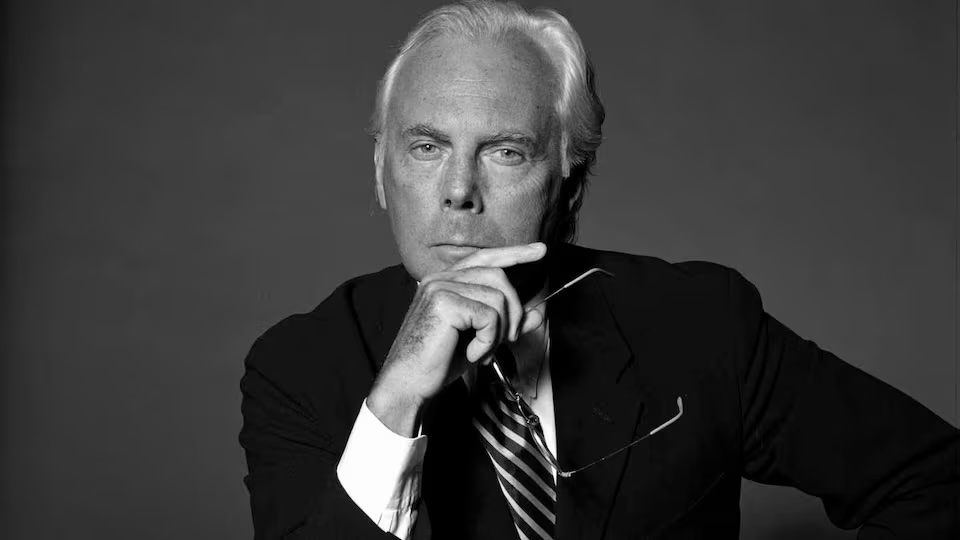
About the Giorgio Armani Brand Group
Founded in 1975, the Giorgio Armani brand was built on the belief that clothes should feel as good as they look. Together with his business partner, Sergio Galeotti, Armani launched his first ready-to-wear collection in Milan, introducing a softer kind of tailoring that combined precision with comfort.
That approach didn’t just influence Italian fashion, it reshaped global menswear and later expanded into womenswear, accessories, fragrance, interiors, and hospitality. After Giorgio Armani’s passing in 2025, the Armani company remains guided by the foundation he established, preserving its independence and the creative values that defined his work.
Today under the Armani Group sit three main fashion lines:
- Giorgio Armani – the original luxury line known for fine tailoring and classic elegance.
- Emporio Armani – a contemporary collection that bridges formalwear and modern lifestyle fashion.
- Armani Exchange (A|X) – launched in 1991 to make the brand’s style accessible to a younger, more urban audience.
Together, these lines form a complete Armani brand ecosystem, each distinct yet united by the same design language: clean lines, muted tones, and quiet confidence.
Key Moments That Shaped the Armani Brand History
1970s – The Beginning of Armani
The Armani history began in 1975, when Giorgio Armani and Sergio Galeotti founded Giorgio Armani S.p.A. in Milan. Before launching his own label, Armani worked at La Rinascente and later as a designer for Nino Cerruti, experiences that refined his eye for precision, quality, and wearability.
Their first ready-to-wear collection introduced soft tailoring, relaxed jackets, muted tones, and fluid silhouettes that moved with the body. It was a quiet revolution in menswear, rejecting excess in favour of balance and ease. Within a few seasons, his vision had reshaped the way the world viewed luxury.
1980s – Global Recognition and Cultural Impact
The brand’s rise to global fame was cemented in 1980 when Richard Gere wore his suits in American Gigolo. The film’s sleek aesthetic made it a household name and defined the look of the decade: understated, modern, and powerful.
In 1982, Armani became one of the first fashion designers ever to appear on the cover of TIME magazine, symbolising his transformation from couturier to cultural icon. Over the next few years, he launched Emporio Armani, Armani Jeans, and his first women’s perfume, expanding the brand across continents. By the late ’80s, the company’s boutiques had opened in the U.S. and Asia, setting the stage for global dominance.
1990s – Expansion and Accessibility
The 1990s marked a period of diversification and reach. They introduced Armani Exchange (A|X) in 1991, capturing the energy of New York street style and youth culture. Designed for a younger audience, it offered the same clean aesthetic at more accessible price points.
The decade also saw the launch of EA7 in 1997, a sportswear line inspired by footballer Andriy Shevchenko, bridging athletic performance and luxury design. A year later, the company became one of the first fashion houses to embrace digital innovation with the launch of Armani.com, years ahead of its competitors.
2000s – Lifestyle and Legacy
By the 2000s, Armani had evolved from a fashion label into a complete lifestyle empire. The brand introduced Armani Casa for interiors, Armani Ristorante for fine dining, and, in partnership with Dubai’s Emaar Properties, opened the first Armani Hotel in the Burj Khalifa.
In 2001, the designer opened Armani/Teatro in Milan, a dedicated cultural space for his runway shows and exhibitions. Each venture translated the company’s design philosophy into new domains: architecture, hospitality, and home living, all sharing the same quiet elegance.
2010s – Clarity, Sustainability, and Reflection
The 2010s brought refinement and responsibility. The company streamlined their diffusion lines to strengthen the brand’s core identity and joined global initiatives like the Fashion Pact, reinforcing its commitment to environmental sustainability.
To celebrate forty years of design, they opened the Armani/Silos museum in Milan in 2015, a striking, minimalist space that showcases over 400 garments and four decades of creative evolution. The museum remains one of the most visited fashion archives in Italy, reflecting the depth of the brand history.
2020s – Integrity and Independence
During the pandemic, Armani personally donated over €2 million to Italian hospitals and repurposed his factories to produce medical gowns for healthcare workers, a gesture that reflected both compassion and leadership.
Following Giorgio Armani’s passing in 2025, his company continues under the Armani Foundation, maintaining its independence and original vision. Nearly fifty years on, the brand stands as a symbol of craftsmanship, innovation, and restraint, proof that true design doesn’t follow fashion; it defines it.
Why Stock Armani Wholesale Fashion
Stocking Armani is about aligning your store with one of the global fashion houses that genuinely shape global style. Armani’s name carries weight: not just with customers, but across the entire retail ecosystem. From its Italian craftsmanship to its proven commercial performance, the brand brings authority, consistency, and trust to every rack it sits on.
Here’s why you should stock it:
1. Proven Luxury Heritage That Sells
With nearly fifty years of continuous innovation, it has become shorthand for quality and quiet confidence. Customers already know and trust the brand, which means less effort convincing and more focus on selling. Its presence in-store elevates perception instantly, positioning your business alongside a heritage name that continues to perform season after season.
2. Multi-Line Strength for Every Market Tier
The Armani Group covers multiple segments without diluting its identity. Giorgio Armani appeals to high-end luxury clients, Emporio Armani captures the contemporary professional, and A|X Armani Exchange reaches the younger, fashion-forward demographic. That tiered model allows retailers to expand their offering under one cohesive brand, balancing prestige with accessibility.
3. Consistency That Builds Loyalty
Every wholesale fashion collection carries Armani’s signature clarity: clean lines, neutral tones, and enduring design. That consistency builds repeat purchases and long-term trust, turning one-time buyers into loyal customers who actively seek the label.
4. Global Recognition That Drives Footfall
It is one of the most recognisable names in global fashion. Its products sell because customers already trust the label, whether they’re shopping for tailored suits, ready-to-wear collections, or luxury accessories. That built-in recognition translates to faster sell-through and stronger margins across both physical stores and online retail.
5. Direct, Verified Access To Wholesale Armani Through Bundlex
With Bundlex provide access to verified wholesale Armani collections with transparent sourcing, flexible order sizes, and fast European fulfilment. It’s a straightforward route to premium inventory, backed by the assurance of authenticity and a network built on long-term trust.
Final Thoughts
The Armani history is one of evolution, from a Milanese designer’s vision to a global name that continues to define modern elegance. Built on integrity, independence, and quiet confidence, the brand remains proof that style doesn’t need to shout to make an impact.
For retailers, Armani represents reliability and reputation. Every line, from Emporio Armani’s refined tailoring to A|X’s youthful designs, carries the same consistency and credibility that make it a trusted choice season after season.
Explore our curated Armani collections on Bundlex and discover how this enduring fashion house can elevate your retail offering.
FAQs
Is Emporio Armani the same as Armani?
Not exactly. Emporio Armani is a sub-label within the Armani Group, created by Giorgio Armani in 1981. It offers a more contemporary, ready-to-wear approach than the main Giorgio Armani line, which represents the brand’s highest level of luxury and craftsmanship.
Is Emporio Armani the real Armani?
Yes. Emporio Armani is an authentic part of the Armani brand. It’s designed and produced by the Armani Group, reflecting the same aesthetic principles as the main line but aimed at a younger, more modern audience seeking accessible luxury.
What are the different levels of Armani?
The Armani company operates through three main tiers: Giorgio Armani, the signature luxury line; Emporio Armani, the contemporary ready-to-wear range; and Armani Exchange (A|X), the most youthful and accessible label. Each caters to a different audience, but all share the same commitment to quality, design, and timeless style.